
The recent announcement that the Justice Department is dismissing lawsuits against police departments in Louisville and Minneapolis and ending investigations into systemic unconstitutional policing practices is nothing short of a catastrophic retreat from justice. This pullback, coinciding with the leadership change in the Civil Rights Division under Assistant Attorney General Harmeet Dhillon, signals a troubling shift away from federal oversight that has been crucial in addressing entrenched police misconduct.
Pattern and practice investigations are not about punishing isolated bad actors; they target those in police agencies who routinely violate the constitutional rights of the citizens they serve through, for example, the use of excessive force, racial discrimination, and the suppression of free speech. The DOJ’s own 2023 findings laid bare how systemic failures within the Minneapolis Police Department made the murder of George Floyd possible. To now dismiss the lawsuits that provide federal court oversight over problematic police agencies and halt investigations that uncover unconstitutional policing is to turn a blind eye to the very conditions that allow such tragedies to occur.
Dhillon’s claim that police consent decrees are “overbroad” and strip local control is a convenient smokescreen. The administration’s “hands off” approach will actually handcuff communities—especially marginalized ones—by removing a critical federal check on abusive policing. Federal court oversight has proven an essential tool for reforming troubled police agencies precisely because local control was ineffective at routing out unconstitutional police practices. Local control without sufficient legal infrastructure supporting accountability is a recipe for continued injustice
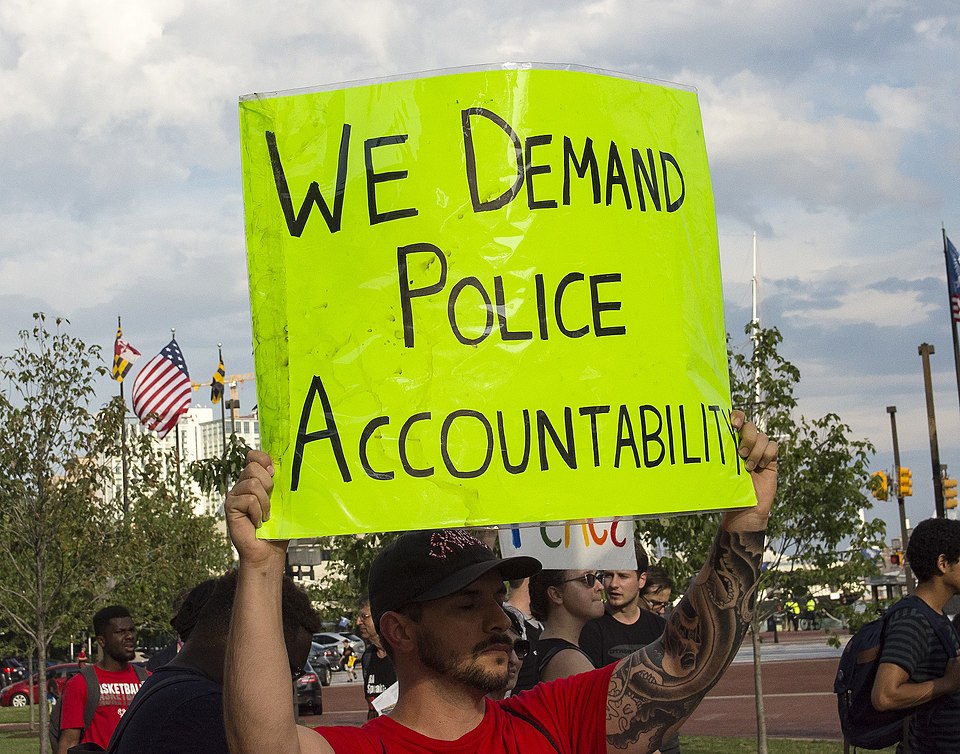
For lawyers, activists, and communities committed to police reform, this development demands a recalibration of strategy. Federal oversight may be waning, but the fight for constitutional policing is far from over. It’s time to double down on state and local legal avenues, push for legislative reforms, and harness public pressure to hold police departments accountable.
The Justice Department’s abdication is a call to action, not surrender.
Felix LaShawn Mitchell, JD


